
I’m back!
Even though I fell off writing last year, my moviegoing habits did not. Between theaters and streaming at home, I watched fifty-six releases from 2025. That’s a little down from 2024, but I was a little more selective (if you can believe that) about what I went and saw. Movies such as The Smashing Machine or Die, My Love
Also, without fail, every year there are a number of releases this year that I simply cannot watch due to the fact that they don’t release in my area. The only movies that did not release in time for my list are Sound of Falling (dir. Mascha Schillinski) and The Voice of Hind Rajab (dir. Kaouther Ben Hania).
Other movies that I did not get to see that are worth nothing: Avatar: Fire and Ash, The Ballad of Wallis Island , Lurker, Twinless, and Sorry, Baby.
This post is going to be long enough. So let’s jump right in.
THE TOP 25
Part One: Conditions Apply
These movies are good, but aren’t without some sort of flaw. They don’t necessarily execute the risks they take, retread familiar territory, or they’re a little on the weird side.
25. Frankenstein
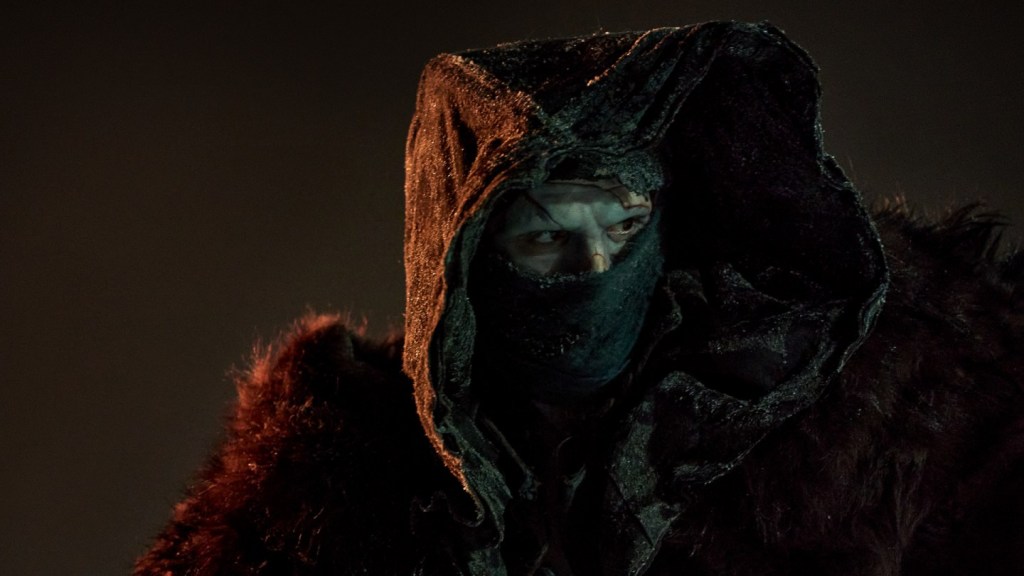
Dr. Victor Frankenstein, a brilliant but egotistical scientist, brings a creature to life in a monstrous experiment that ultimately leads to the undoing of both the creator and his tragic creation.
I’m not crazy about the narrative structure of Frankenstein, but boy did I love looking at the cinematography and set design of this movie. Landscapes look tremendous and the world building sucks you right in.
In a way, Frankenstein encapsulates Guillermo del Toro so well. His movies are always a visual treat, regardless of how I feel about the story, characters, and themes. Frankenstein isn’t anywhere close to the best del Toro has to offer, but it kept me engaged enough–something The Shape of Water couldn’t accomplish.
24. Vulcanizadora
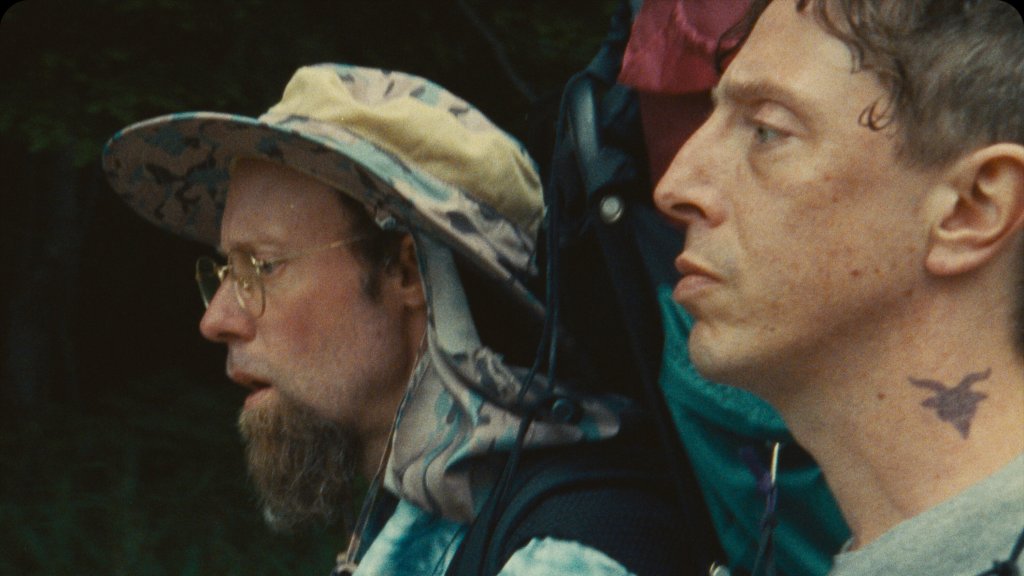
Two friends trudge through a Michigan forest with the intention of following through on a disturbing pact. Once their plan goes shockingly awry, the haunting consequences of their failure can’t stay hidden for long.
I wish I could remember where I read the comment, but someone online described Vulcanizadora as “dirtbag cinema,” and I’m fuming that I didn’t come up with it myself. The film’s two lowlife characters test the limits of your patience, as you can’t quite figure out what they’re setting out to do. However once you finally reach that point, it becomes an unforgettable journey. Joshua Burge has an enigmatic quality that drew me in immediately—there’s something so stark about his look that he’s impossible to forget. He is perfect as Marty. For better or worse, these two wacky characters are going to stick with me for a long time.
23. Sovereign

Struggling single father Jerry indoctrinates his son Joe into the sovereign citizen movement, teaching him that laws are mere illusions and freedom is something you take. But, as Jerry’s ideology consumes them, they are set on a collision course with a police chief who has spent his life upholding the rules that Jerry has spent his tearing down.
Sovereign is a movie that plays like Ron Swanson from Parks and Recreation after spending far too long on right-wing message boards—which works perfectly, since Nick Offerman plays both characters. Based on a true story from 2010, Sovereign becomes another chapter in the collapse of extremist political beliefs, and in how parental authority can endanger the very people it claims to protect. We live in an age of political overdrive, and while the sovereign citizen movement may not rival larger American political factions, the film offers a disturbing look at how parents can fail their own children. Are they fighting on their kids’ behalf, or merely using them as pawns?
22. The Phoenician Scheme

Wealthy businessman Zsa-zsa Korda appoints his only daughter, a nun, as sole heir to his estate. As Korda embarks on a new enterprise, they soon become the target of scheming tycoons, foreign terrorists, and determined assassins.
Oh, Wes Anderson. If you know me, you know I have a love/hate relationship with him. Anderson’s visual style is iconic and unmistakable; there’s no other filmmaker who pulls off symmetrical compositions, pastel palettes, and theatrical set design quite like he does. Where he irks me to death is his overuse of quirky, fast-talking, annoying characters. I can’t quite put my finger on it, other than the recurring urge to land my fist squarely into the faces of many of them.
And yet, I enjoyed my time with The Phoenician Scheme. Benicio del Toro is terrific as Zsa Zsa Korda, and the story kept me engaged from start to finish. The cast feels fitting and purposeful, never tipping into the “look who I got in this movie!” territory. If there’s one word I’d use to describe The Phoenician Scheme, it’s refined.
21. Presence
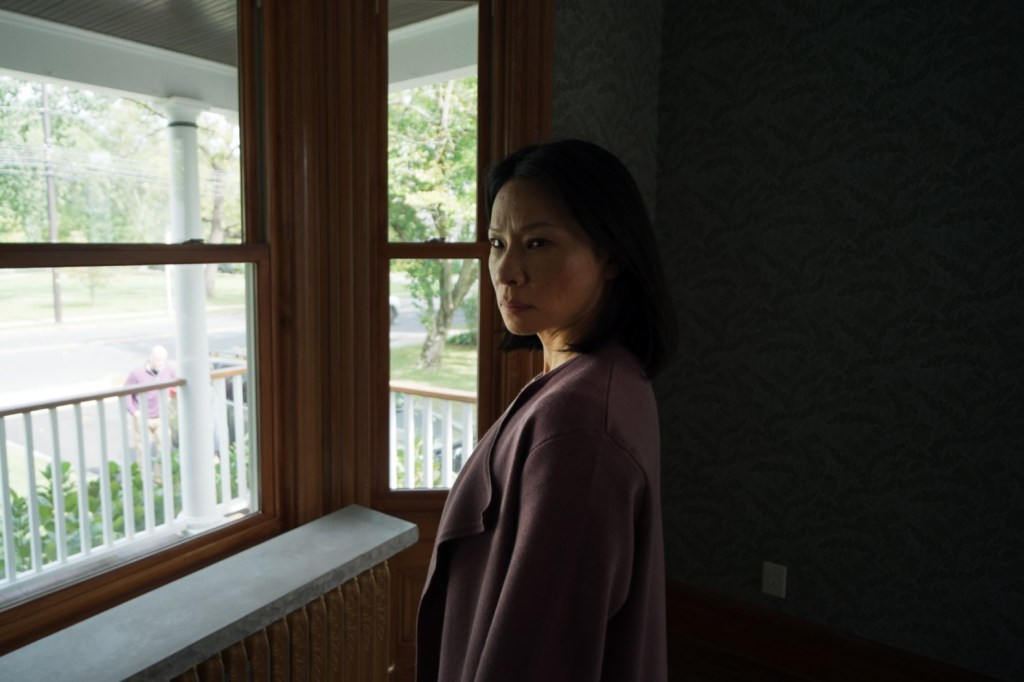
A couple and their children move into a seemingly normal suburban home. When strange events occur, they begin to believe there is something else in the house with them. The presence is about to disrupt their lives in unimaginable ways.
If Daniel Day-Lewis and Stanley Kubrick are defined by the extraordinary time they take choosing projects—often going years between them—then Steven Soderbergh is a giant middle finger to that approach. From the director who brought us The Ocean’s Trilogy, Contagion, Magic Mike, and Che, it often feels like there’s no project he isn’t willing to take a swing at.
Presence is told from a ghost’s point of view. Providing a wide-angle, Steadicam-driven experience that glides in and out of rooms, following the family living inside the house. In an age of sequels, rehashed stories, and movies that couldn’t be more generic in style, Presence feels like a breath of fresh air. Perfect in execution? Far from it. Always compelling? Maybe not. But give me more movies like this every year.
Part Two: The Only Person On Earth Who Put This In Their Top 25
No seriously.
20. Anemone
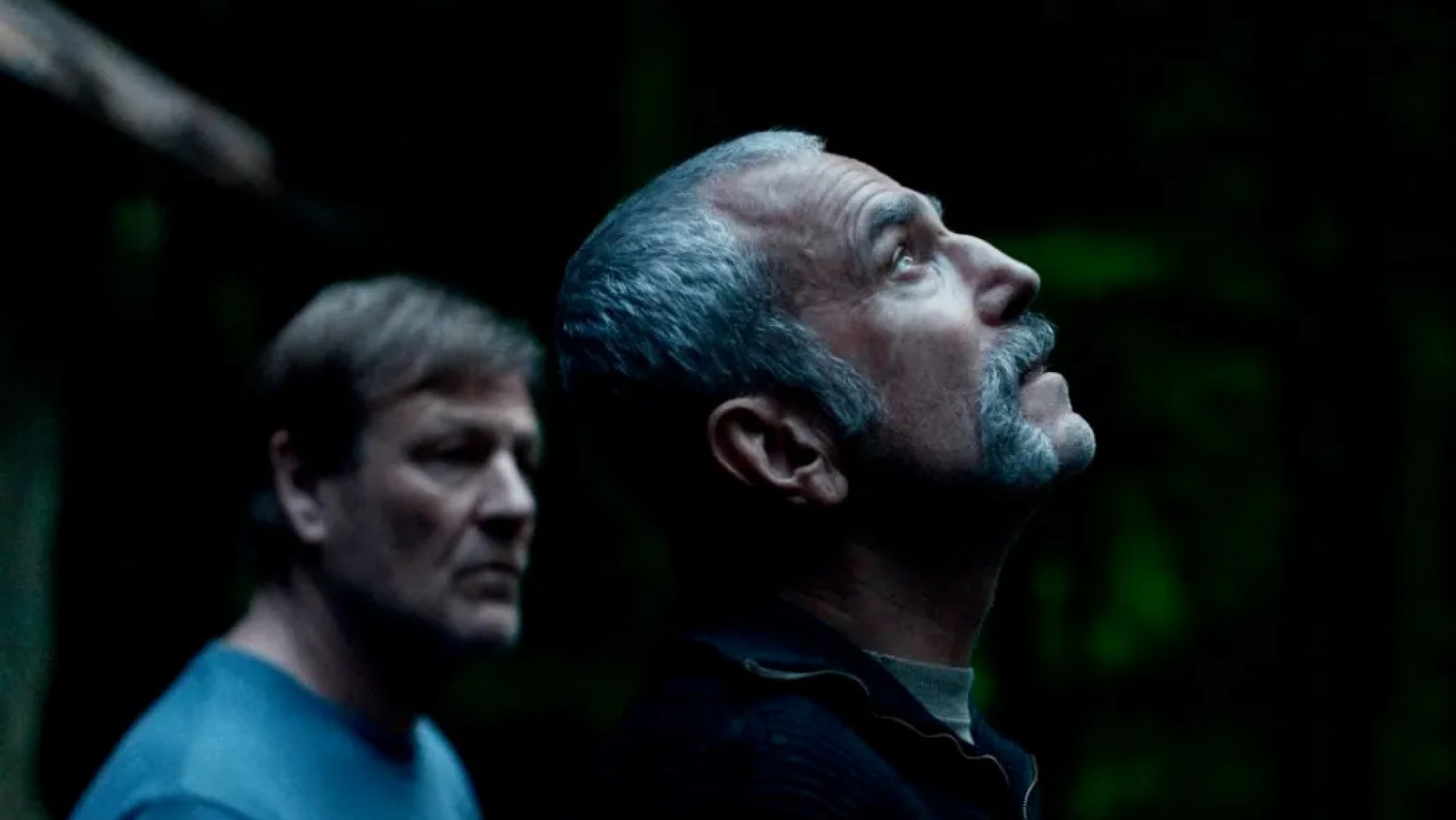
The film explores the complex and profound ties that exist between brothers, fathers, and sons.
For context: I gave Anemone four out of five stars on Letterboxd. The average rating from the Letterboxd community sits at a paltry 2.8 out of 5. By my own (admittedly unscientific) calculations, that’s the largest gap between my rating and the public’s for any movie I saw in 2025.
(Immediately after writing this section, I wondered: how on earth did someone marry me?)
But gosh darn it, I’m going to stand by my opinion that this movie is great. Maybe it’s because I studied Irish cinema in college, or because I have a long-standing fascination with the Troubles—especially after reading Say Nothing—but Ireland’s conflicted past and fractured identity bleed into most of its films. Whether explicit or not, many Irish dramas smuggle personal stories inside themes of broken national identity, religious resistance, and political infighting.
Daniel Day-Lewis is good, which feels like an underhanded compliment given his career, but I’d keep expectations in check.
Like most Irish cinema, Anemone is best enjoyed on a cloudy day, wrapped in a blanket with a bowl of soup. Just don’t make it potato soup.
Part Three: Some Weird Dude at Soundpony’s Top Three Movies of the Year, Probably
19. Freaky Tales
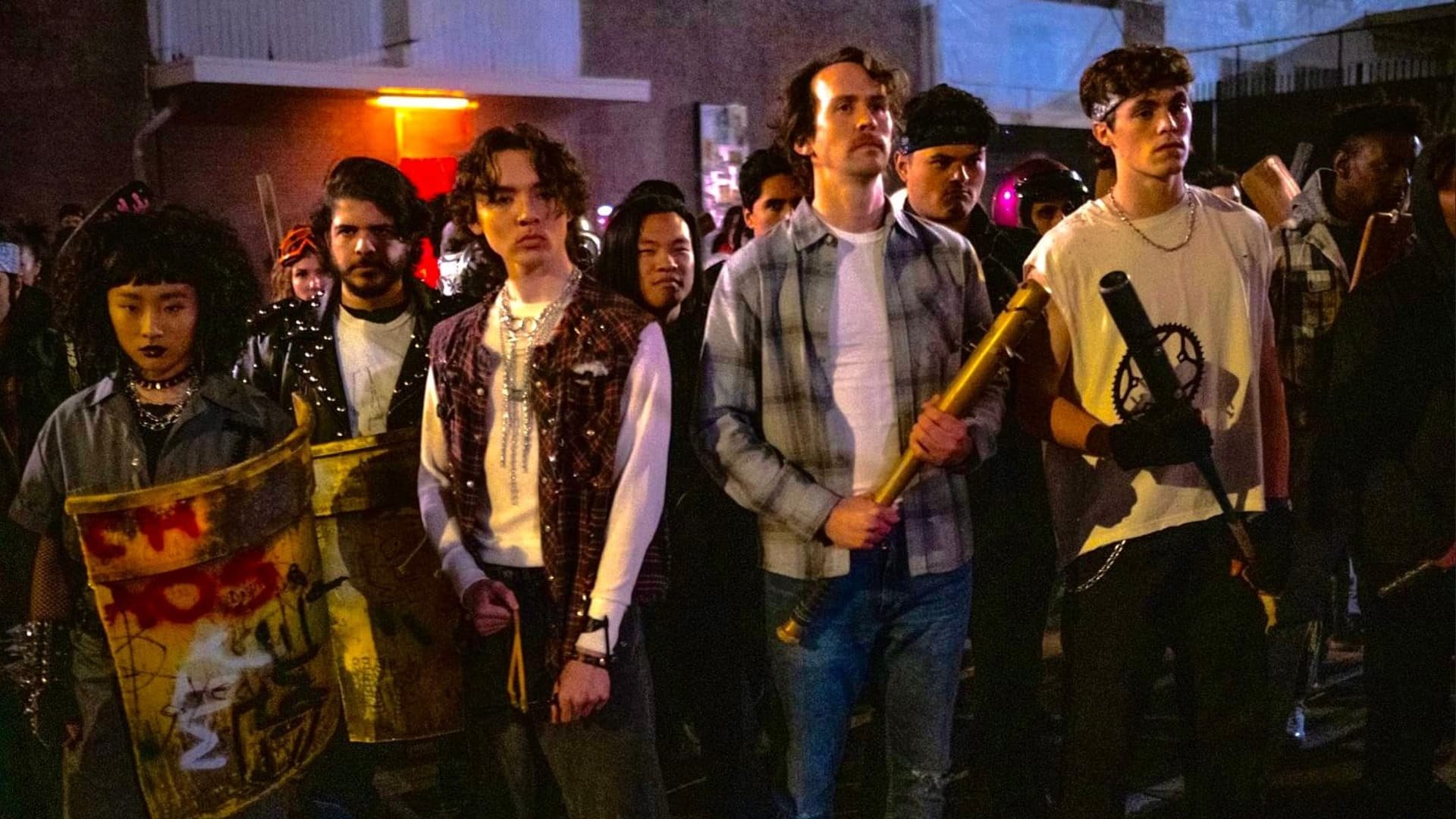
In 1987 Oakland, a mysterious force guides The Town’s underdogs in four interconnected tales: teen punks defend their turf against Nazi skinheads, a rap duo battles for hip-hop immortality, a weary henchman gets a shot at redemption, and an NBA All-Star settles the score.
Freaky Tales feels like a movie that shouldn’t even exist. It’s the kind of thing you’d find at the bottom of a bargain bin at Vintage Stock or Walmart—something you pick up because the cover looks cool, only to think, “Wait… Pedro Pascal and Ben Mendelsohn are in this? How have I never heard of it?”
And yet, if you’re looking for a wild hodgepodge that includes Nazis getting their asses kicked, a real NBA tie-in that diehards will appreciate, an A-list cameo that completely blindsides you, and, above all, a genuinely fun popcorn movie—look no further.
18. Caught Stealing
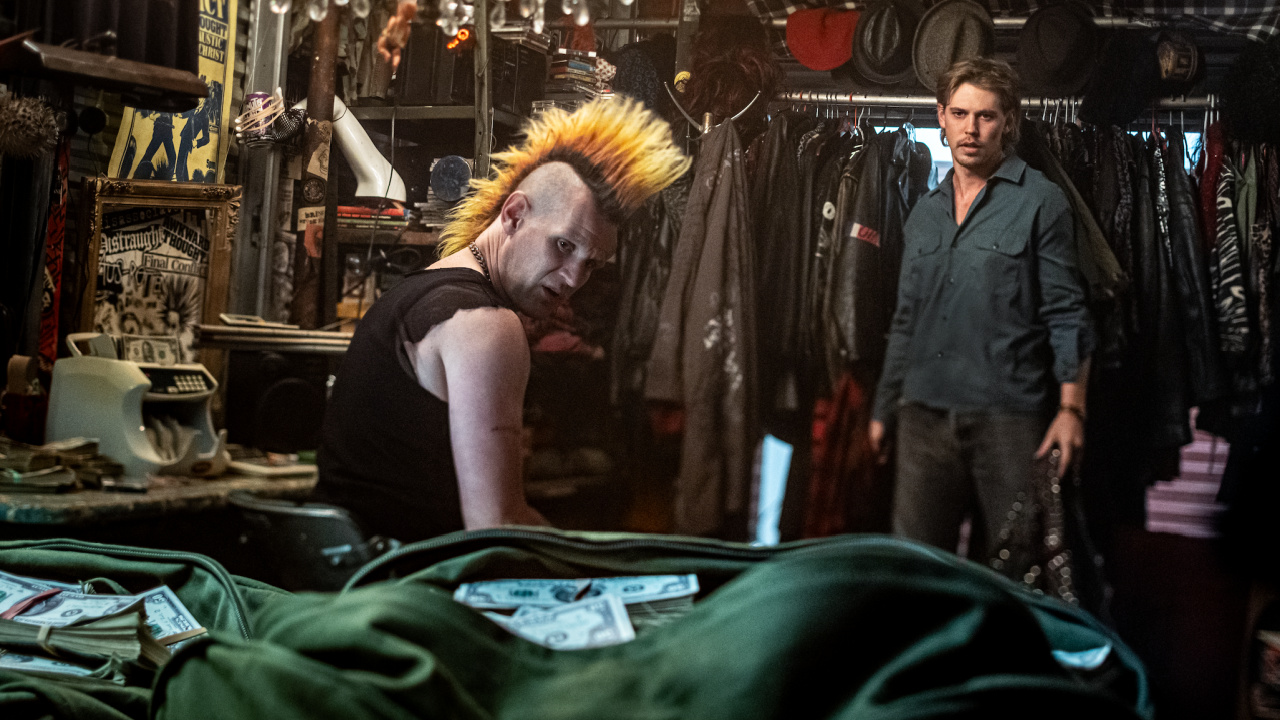
Burned-out ex-baseball player Hank Thompson unexpectedly finds himself embroiled in a dangerous struggle for survival amidst the criminal underbelly of late 1990s New York City, forced to navigate a treacherous underworld he never imagined.
Darren Aronofsky hasn’t made a truly great film since Black Swan (2010). Caught Stealing may fall just short of that mark, but it’s easily his most enjoyable work in years. I hated The Whale (2022) with a passion, so my expectations here were low.
The film feels like an amalgamation of familiar influences—bits of Uncut Gems, Anora, and even a Coen brothers crime story. It doesn’t reach the heights of any of those films, but it’s entertaining enough to stand on its own.
This might be my favorite Austin Butler performance to date. He carries a convincing ’90s aesthetic: a simple Giants cap, plain shirts, jeans—wardrobe choices that favor function over style and make him feel grounded in the era. That restraint makes it even funnier when Russ Miner (Matt Smith) enters sporting a wildly outdated late-’80s punk look.
Caught Stealing also isn’t the movie the trailers sold. It’s far darker than advertised, and a handful of moments genuinely caught me off guard. I appreciated the risks it takes, even when they don’t fully land.
17. Wake Up Dead Man
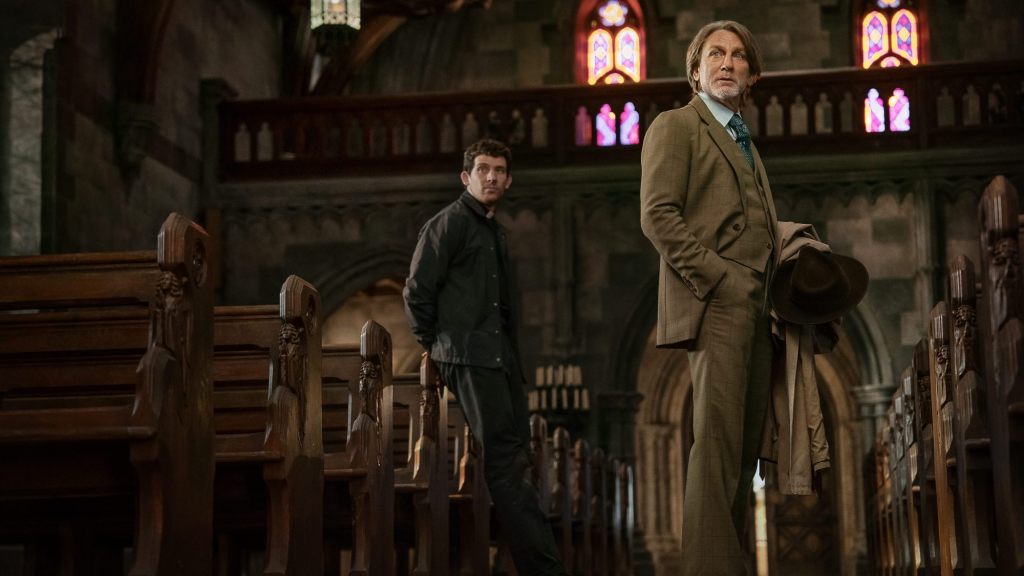
When young priest Jud Duplenticy is sent to assist charismatic firebrand Monsignor Jefferson Wicks, it’s clear that all is not well in the pews. After a sudden and seemingly impossible murder rocks the town, the lack of an obvious suspect prompts local police chief Geraldine Scott to join forces with renowned detective Benoit Blanc to unravel a mystery that defies all logic.
Knives Out and Glass Onion were overrated. They were huge successes for Netflix and Rian Johnson, but I did not care for either of the first two installments. I could not buy into Benoit Blanc as a character and the mysteries never really paid off, feeling too on the nose in the end.
Wake Up Dead Man does not erase those criticisms, but I enjoyed it far more than the first two installments. The cast here is the best of the trilogy to date. Josh O’Connor and Glenn Close are standouts, and any time they were on screen, I was happy.
Taking aim at religion and the corruption within it, I expected Wake Up Dead Man to punch at low-hanging fruit. Instead, I was surprised by the nuance in its view of faith. The film wrestles with the tension between performative truth and the reclamation of truth, institutional Christianity’s attempt to reassert moral authority, and judgment masquerading as discernment—to name just a few.
Part Four: Maybe I Should Have Just Done A Top 16 List
If you’re wanting a refined list of the best movies of the year, focus on these sixteen great movies.
16. Blue Moon
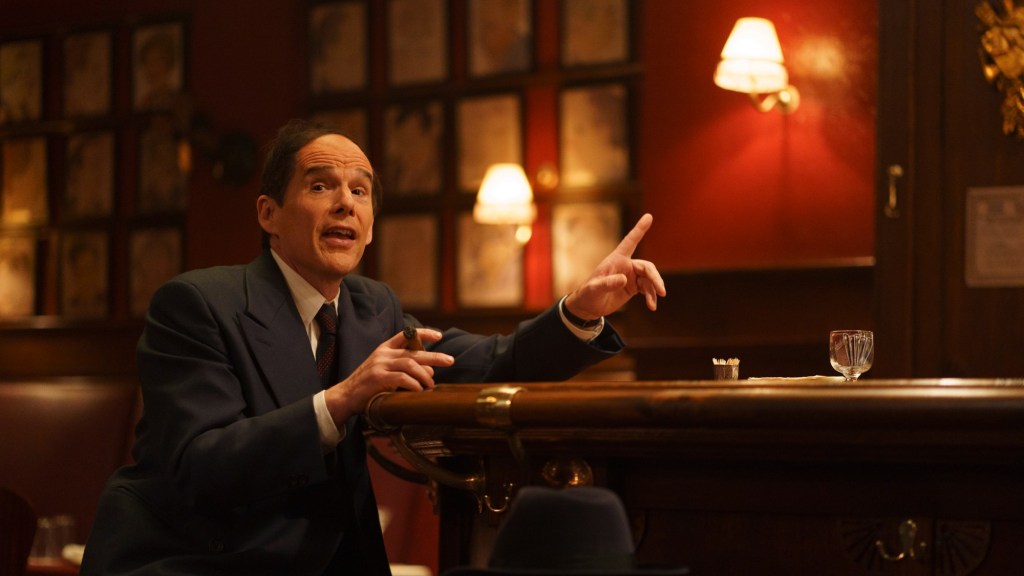
On the evening of March 31, 1943, legendary lyricist Lorenz Hart confronts his shattered self-confidence in Sardi’s bar as his former collaborator Richard Rodgers celebrates the opening night of his ground-breaking hit musical “Oklahoma!”.
For a movie set entirely inside a bar over the course of a single evening, centered on a cynical, talkative, erratic, down-on-his-luck man like Lorenz Hart (Ethan Hawke), Blue Moon may not sound all that compelling on paper. Hawke’s performance alone, however, is more than enough reason to seek it out.
I could have listened to Hart ramble for hours. He’s not the kind of person you’d want to spend every night with, but I couldn’t help being drawn to him. In an era where I’m far too tethered to my Instagram algorithm, Hart’s encyclopedic knowledge and unsolicited opinions on nearly everything felt oddly inspiring.
But the performance goes beyond mere verbosity. Blue Moon is ultimately about the quiet devastation that comes after you’ve already peaked. Hart’s best days as a playwright are behind him. His former writing partner, Richard Rodgers (Andrew Scott), has moved on—teaming up with Oscar Hammerstein II (Simon Delaney) and opening Oklahoma!, a collaboration that will lead to enormous success while Hart slides steadily into obscurity.
Hart’s final grasp at relevance comes in the form of his interest in Elizabeth Weiland (Margaret Qualley), a woman twenty-seven years his junior. You can probably guess how that turns out. While the age gap is undeniably uncomfortable, director Richard Linklater frames the relationship not as romantic, but as tragic. Hart isn’t chasing love—he’s chasing youth. And no matter how hard he tries to reclaim it, he’s already lost the fight to time itself.
15. The Testament of Ann Lee

The extraordinary true legend of Ann Lee, founder of the devotional sect known as the Shakers.
I have to respect that The Testament of Ann Lee swung for the fences, even if it didn’t always connect with what it set out to accomplish. The history of the United States has no shortage of influential religious leaders, but my knowledge of Ann Lee and the Shakers movement was minimal. You can see where some modern day religious movements may get their inspiration.
The Testament of Ann Lee has more noticeable flaws than most films on this list. One musical number feels out of place, there’s a bit too much narration, and the second act is slow. A lull in the Shaker movement seems to coincide with a lull in the movie. Still, Amanda Seyfried is terrific, the music is solid, and the editing is erratic in a way that works. Overall, it delivers a kind of spectacle you’re unlikely to see anywhere else, which is what makes it one of the most memorable movies of the year.
That spectacle, however, comes at a cost. Viewers looking for deeper thematic exploration may walk away disappointed. Ideas of oppression—sexual restraint, government overreach, and freedom of religion—are introduced but only partially examined, leaving me wanting more clarity and follow-through.
14. Arco
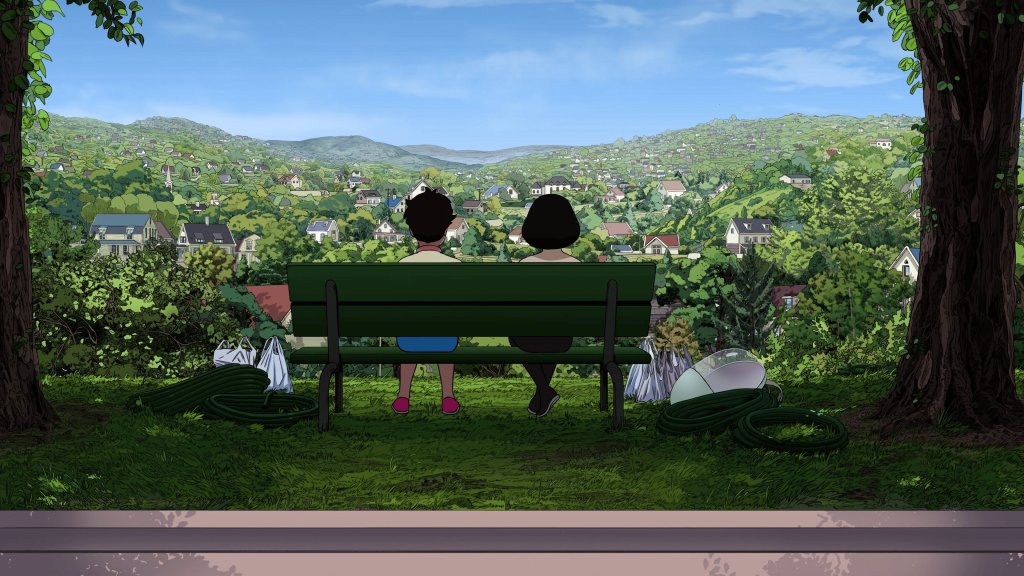
Arco, ten years old, lives in a far future. During his first flight in his rainbow suit, he loses control and falls in the past. Iris, a little girl his age from 2075, saw him fall. She rescues him and tries by all means to send him back to his era.
Arco features some of the most striking animation and art I’ve seen in a film, rivaling the work of Makoto Shinkai and Hayao Miyazaki. I could have paused the movie at nearly any moment and simply marveled at the attention to detail. The character models aren’t the strongest, but they closely recall those in another excellent French animated film, Mars Express.
Its brisk 90-minute runtime makes it an easy watch and gives it enough emotional punch to remain memorable. I could have used an extra 15 minutes of character development, but Arco excels in visual style to such a degree that I’m willing to overlook that shortcoming.
In an age of AI slop, it feels important to highlight animated films like Arco, which remind us that no matter how advanced the tools become, nothing can replace the artistry of skilled animators and artists. I hope Arco isn’t a relic of what animation once was, but a sign of what’s still possible going forward.
13. Weapons
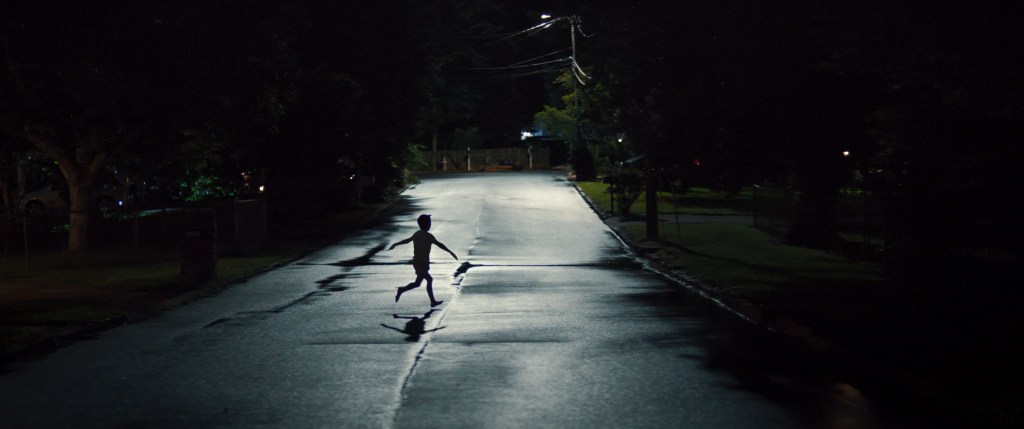
When all but one child from the same class mysteriously vanish on the same night at exactly the same time, a community is left questioning who or what is behind their disappearance.
You’ll be hard-pressed to find more unsettling, disturbing, and memorable scenes in a film this year—but Weapons had me muttering “what the fuck” at multiple points. I’m often critical of horror’s reliance on cheap shock value that says very little, but Weapons is working through deeper themes.
At face value, Weapons can be read as a film about abuse, grief, witch hunts, or the weaponization of children in the judgment of others. It also functions as a stark metaphor for addiction. Zach Cregger has cited the influence of his father’s alcoholism, as well as his own struggles, while writing the film.
Much of the film’s hype surrounds Amy Madigan’s performance as Gladys, and it’s entirely earned. A supernatural presence with a look that feels like a grotesque mash-up of Pennywise and the Joker, she’s one of the most indelible characters of 2025.
Weapons could move up much higher on this list on a rewatch. It did not resonate me like the films ahead of it on this list, but I will be the first to admit that there is a lot more to digest.
12. Friendship
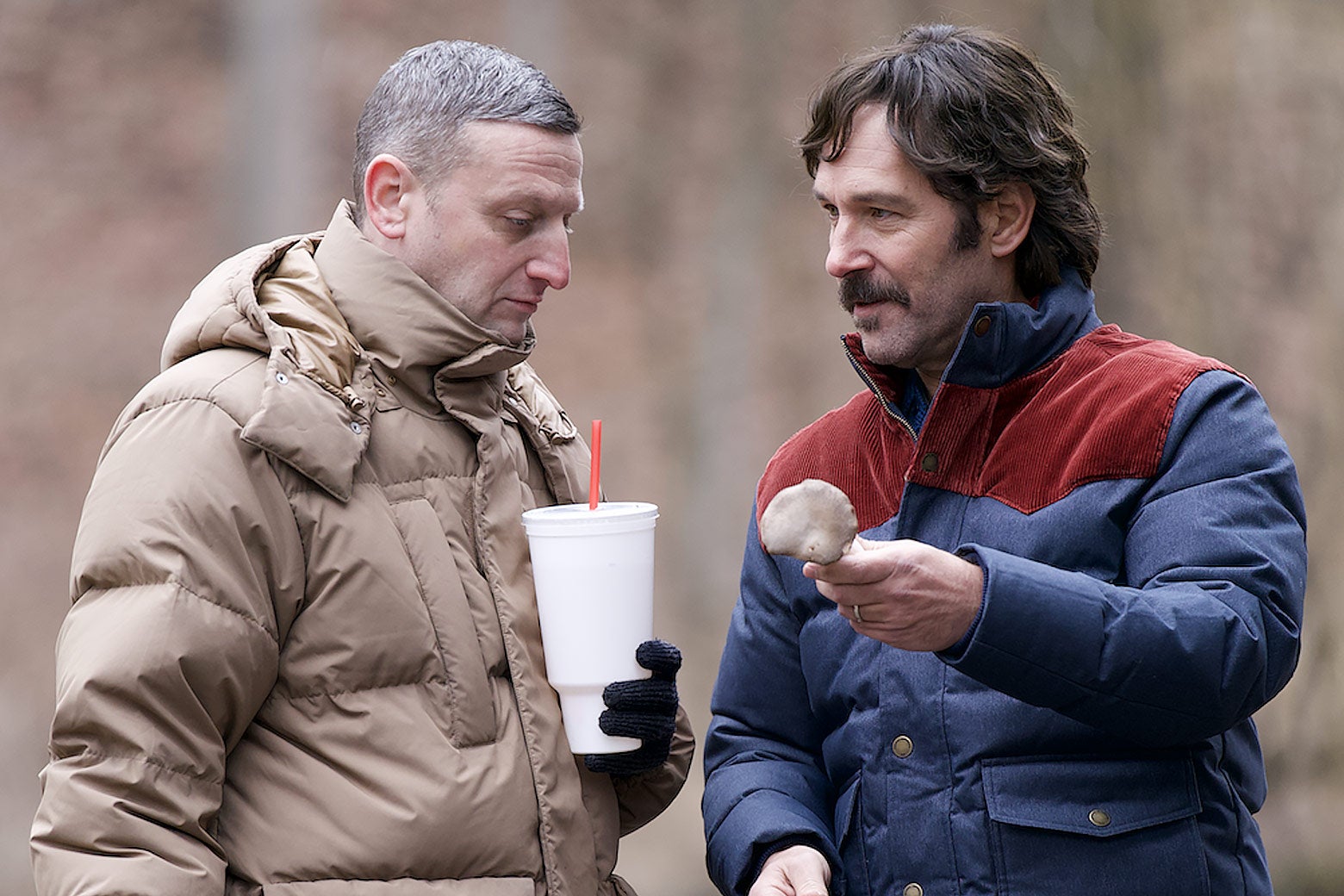
A suburban dad falls hard for his charismatic new neighbor.
You either love Tim Robinson or you are wrong.
If the sketch series I Think You Should Leave isn’t your thing, Friendship might serve as an entry point into Robinson’s unhinged comic universe. Or maybe I’m lying to you.
At its core, Friendship is about the misery of making friends as an adult. It is also the funniest movie I saw all year. The film plays like a borderline thriller filtered through Robinson’s familiar comedic instincts, folding in echoes of characters and situations from his earlier work. It even feels like a stepping stone toward his HBO series The Chair Company, which also arrived last year.
I replayed moments from Friendship in my head for months: the hallucinogenic toad trip that lands at Subway, the Connor O’Malley garage cameo, the slow reveal of Robinson’s face in the opening scene. Few performers can make me laugh before they even speak, and right now, I’m not sure anyone does it better.
Comedy is the most subjective genre there is, and Tim Robinson is not for everyone. We just can’t be friends if you don’t appreciate him.
11. It Was Just An Accident
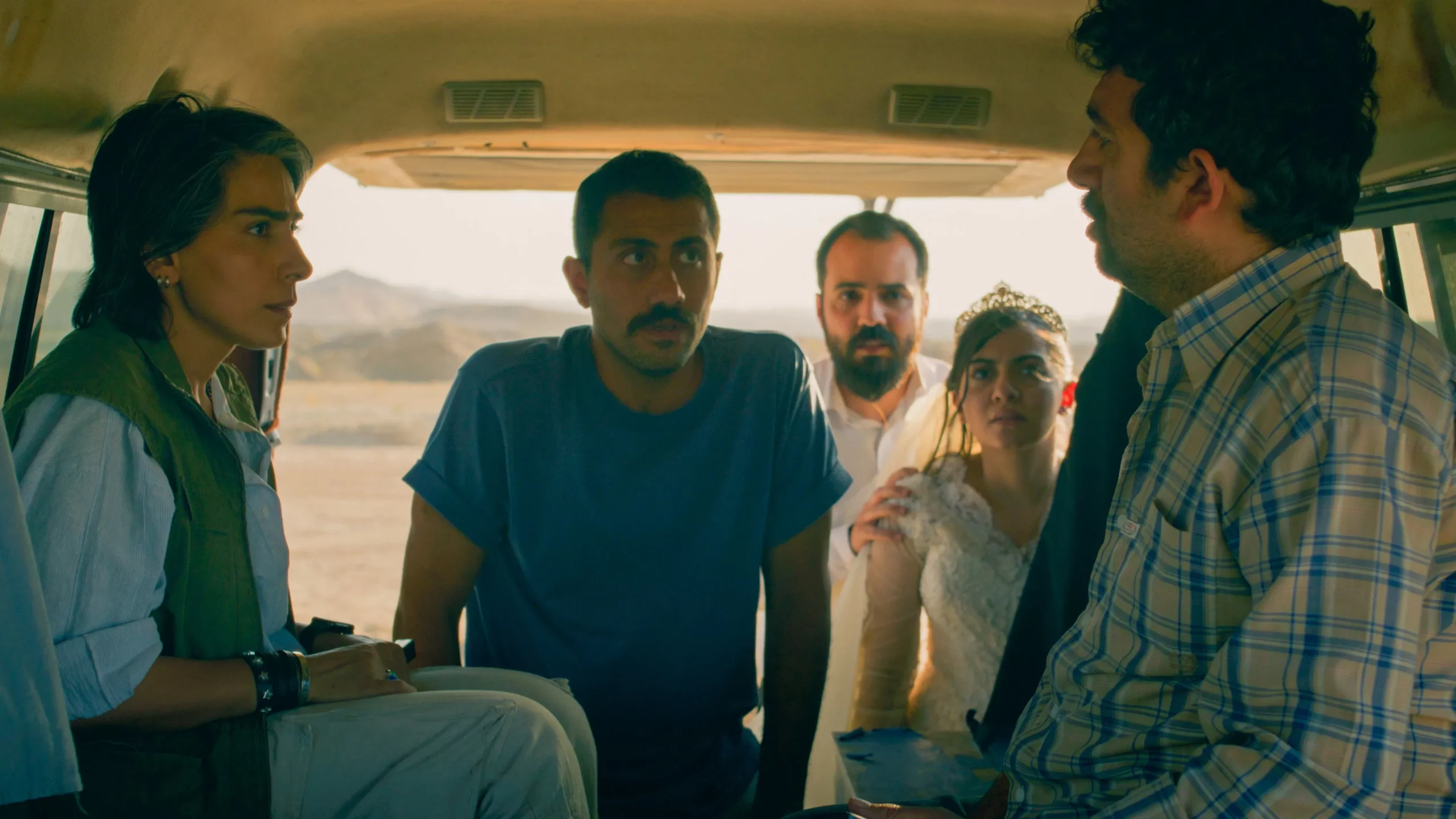
Vahid, an Azerbaijani auto mechanic, was once imprisoned by Iranian authorities. During his sentence, he was interrogated blindfolded. One day, a man named Eqbal enters his workshop. His prosthetic leg creaks, and Vahid thinks he recognizes one of his former torturers.
Another year, another great film from Iran. While many people have preconceived notions of the country based on what they hear in the news, the filmmakers creating these movies—often illegally, and under threat of imprisonment—deserve to be acknowledged.
It Was Just an Accident is a deeply personal work from director Jafar Panahi, informed by his own experiences of incarceration. The film follows a group of characters grappling with their traumatic memories, and with the question of whether the person they’ve kidnapped is truly responsible for the atrocities committed against them. Blindfolded during their imprisonment, they can’t be certain they have the right man.
The film cuts sharply into the political infighting among opponents of Iran’s government. Do they stoop to the level of their oppressors? How do you fight back when nothing seems to change? The film feels especially timely amid the massive protests and thousands of deaths across the country.
It Was Just an Accident earns its place this high on my list on the strength of its final scene alone—one of the most unforgettable endings in Iranian cinema since A Separation.
Part Five: The Official Top 10
10. Sinners
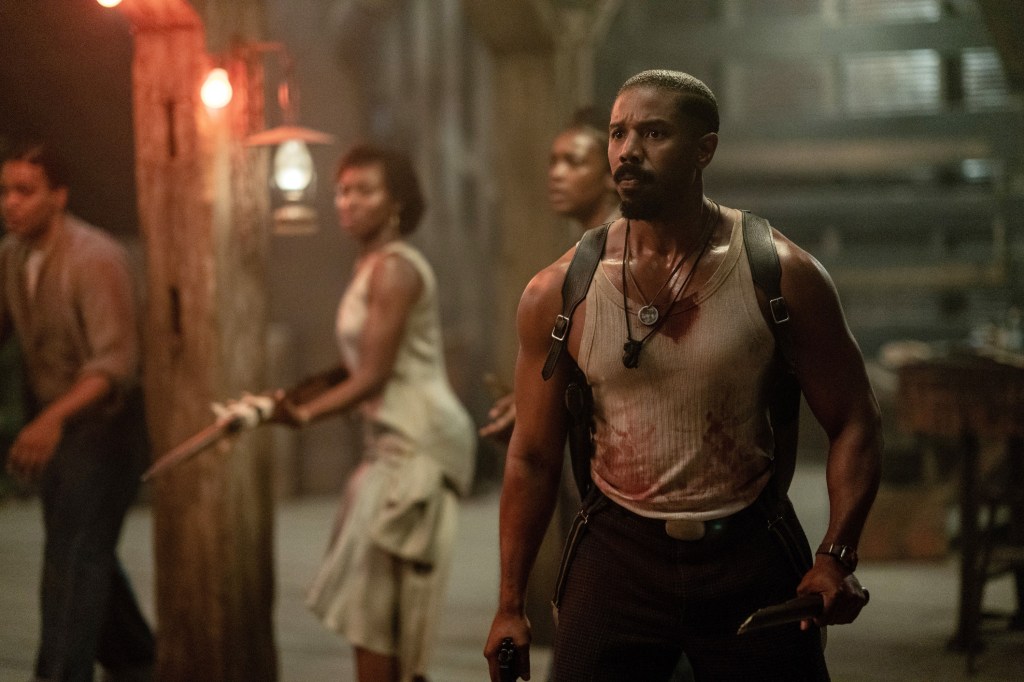
Trying to leave their troubled lives behind, twin brothers return to their hometown to start again, only to discover that an even greater evil is waiting to welcome them back.
While Sinners has racked up the most Oscar nominations of any film ever (thanks to a newly added category), I’ve seen a surprising amount of blowback against it over the past month—criticism I find largely unwarranted.
I mentioned above that Hollywood loves to retread familiar stories, churn out endless sequels, and shy away from risk to its own detriment. Sinners sidesteps all of that. Ryan Coogler delivers one of the most entertaining—and ambitious—movies of 2025. We should be begging for films like Sinners every year.
Labeling Sinners as simply a vampire movie is a disservice to how much it takes on at once: psychological thriller, neo-noir, Southern Gothic, religious drama, and more. The film wrestles with Jim Crow–era politics, resilience in the face of racial judgment, the transformative power of art and music, and religion as a tool of oppression, among other themes.
Influenced by From Dusk Till Dawn, the film takes a hard turn halfway through—one that, contrary to some critics, I felt elevated the experience. When so many ingredients are added to a movie, tonal whiplash is a real risk, yet I was struck by how seamlessly Sinners blends its shifting elements together.
And you can’t talk about this movie without mentioning that juke joint scene. It was a near-existential experience in the theater. Moments like that are rare—scenes you instantly recognize as timeless—and I knew immediately it would be one people would be talking about for years.
9. If I Had Legs I’d Kick You

With her life crashing down around her, Linda attempts to navigate her child’s mysterious illness, her absent husband, a missing person, and an increasingly hostile relationship with her therapist.
If I had Legs I’d Kick You is a conundrum of a movie recommendation. I’m not running out into the streets begging you to watch it. It’s an unflinching, raw, and heartbreaking portrayal of the isolation and guilt of a mother in a nightmarish existence that every woman fears. Its realism and commonality makes it an essential viewing–even if you are not going to have a good time watching it.
Rose Byrne gives one of the performances of the year as Linda, a psychotherapist who is near her breaking point after having to care for her daughter, who suffers from avoidant-restrictive food intake disorder (ARFID). On top of dealing with the needs of her daughter, she also contends with her husband who is away at work for 8 weeks, a gigantic hole that opens in her ceiling, a detached therapist (played by Conan O’Brien), and the wide range of patients of her own.
Resilience is pushed to the limits, and director Mary Bronstein does an excellent job at making the viewer feel hopeless and isolated as Linda’s support system crumbles.
8. The Secret Agent
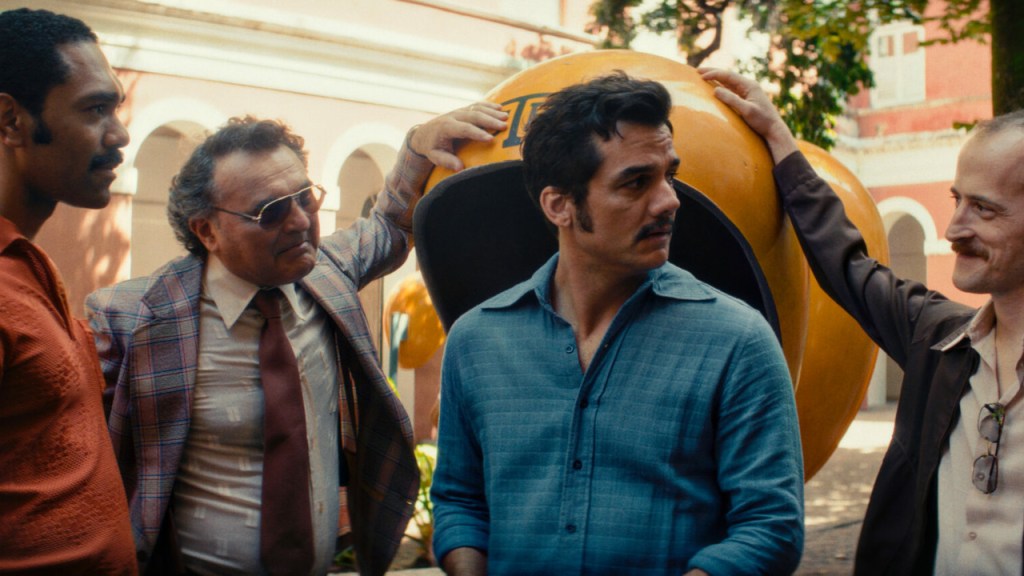
In 1977 Brazil, technology specialist Marcelo, fleeing a mysterious past, returns to Recife in search of peace, but realizes the city is far from the refuge he seeks.
The Secret Agent leaves little doubt that it’s a well-crafted film, invoking memories of The Lives of Others, No Country for Old Men, a Scorsese mob picture, or even the recent One Battle After Another.
It’s also an opaque experience that left me, at times, feeling emotionally detached. A working knowledge of Brazil’s brutal 1970s dictatorship goes a long way in unlocking some of the film’s finer nuances. If you’re expecting a primer on the inner workings of Brazilian politics during this period, you’re not going to get one. Instead, hints are dropped along the way. A picture eventually forms, but in a world of social media and 15-second information drops, The Secret Agent requires a little more work from its audience.
At its core, this is a film about preserving memory and the unglamorous sacrifices required to oppose authoritarianism. While the work these “refugees” do is vital, this is not a portrayal of revolutionaries as they are typically glamorized in media. I couldn’t help but compare it to another superb film this year, One Battle After Another, and what both have to say about resisting authoritarianism. One Battle is the more entertaining film, with just as much to say, but The Secret Agent feels like the more accurate, band-aid-ripped-off portrayal. You’re probably not going to get the ending you expect, but it’s one that strengthens the film’s point.
My experience didn’t end when the credits rolled. I’ve spent more time reading about The Secret Agent afterward than almost any other film this year, and that added context has only deepened my appreciation. Much like The Lives of Others, I felt transported back to a critical moment in another country’s history.
Whether a film that asks you to do some homework outside the theater is your cup of tea is another matter. I imagine many viewers landing at a 3 or 3.5—and I can’t really blame them—but for those willing to meet it on its own terms, it lingers.
7. Warfare

A platoon of American Navy SEALs on a surveillance mission gone wrong in insurgent territory. A boots-on-the-ground story of modern warfare and brotherhood, told in real time and based on the memory of the people who lived it.
The War on Terror was the defining conflict of my youth. The wars, occuring during my teen and early adult years, helped with my political awakening and interest in history. When it came to movies, most during this formative time still dealt with World War II and the Vietnam War. Two different wars with two very different outcomes and two very different ways that they were portrayed in movies. As the Iraq War lingered on, the most it became apparent that the war was a mistake. But in the medium of movies, the Iraq War has not had much coverage as you would think. The Hurt Locker and American Sniper come to mind, but I do not think that either of those movies are good.
Warfare is directed by Iraq War veteran Ray Mendoza (along with Alex Garland) and covers a real battle that he was involved in. Beyond your political beliefs and opinions, Warfare does a great job of just dropping you in the middle of the action and letting the horrors of war consume you.
The action in Warfare happens in real time. The ninety minutes of runtime coincide with the ninety minutes of action during this intense battle on the streets of Ramadi, Iraq. What starts out as a squadron holed up in a house doing surveillance quickly turns into a house of horrors. The tortured screams of soldiers as they bleed out is haunting, as one would expect, and the ferocity of the situation made me squirm in my seat.
The ending leaves you feeling hopeless as you realize the complete pointlessness of all the pain and suffering. Warfare could not be a better microcosm of the entire Iraq War–a place we should not have been in the first place.
The film undeniably lacks an Iraqi point of view, and it’s fair game to criticize it on those grounds. The same goes for the somewhat bizarre end credits, which undercut the poignancy of the final moments by abruptly shifting from devastation to a behind-the-scenes showcase of how the film was made.
6. No Other Choice

After being laid off and humiliated by a ruthless job market, a veteran paper mill manager descends into violence in a desperate bid to reclaim his dignity.
As Americans continue to grapple with economic hardship at home, Park Chan-wook’s No Other Choice feels almost tailor-made for U.S. audiences. A piercing commentary on late-stage capitalism, it’s a dark and funny look at the lengths one man will go to in order to get hired.
You don’t need to be Korean—or fluent in its cultural context—to feel the economic despair of Yoo Man-su and his family. The sacrifice required to buy his childhood home, only to be forced to sell it, strongly mirrors the failure of the American Dream—particularly at a time when millennials are the first generation projected to be worse off than their parents.
Wrapped inside that despair, however, is a surprisingly humorous film that prevents the experience from becoming cumbersome. The obsession with paper and minute detail hasn’t been portrayed this memorably since Patrick Bateman dissected business card stock in American Psycho. It’s absurd, but it perfectly illustrates Park Chan-wook’s view of capitalism: if you don’t take it seriously enough, it will consume you.
Beyond its themes, the film’s visual style and cinematography were among my favorites of the year. While it isn’t quite as incisive as Bong Joon-ho’s Parasite, I’m not going to fault it for failing to go toe-to-toe with one of the greatest films of the century.
There’s a lot to unpack in No Other Choice. The deliberate use of trees and gardening alone is something I’m already looking forward to revisiting on future watches.
5. Sirat

A man and his son arrive at a rave lost in the mountains of Morocco. They are looking for Marina, their daughter and sister, who disappeared months ago at another rave. Driven by fate, they decide to follow a group of ravers in search of one last party, in hopes Marina will be there.
First things first: Sirat, beyond being the film’s title, refers in Arabic to a pathway or passage. Within Islam, the term carries a deeper meaning. I won’t give that context away here, but it’s something worth exploring after you’ve watched the film.
It’s difficult to describe a movie in which the harshness of the desert feels so immediate. If Lawrence of Arabia captures the desert beautifully, and Dune renders it magnificently, then Sirat suffocates you. As the minutes tick by, the landscape presses in, and the sense of helplessness becomes unavoidable.
Matching that severity is an electronic score that is equal parts ominous, raw, and ethereal—perfectly complementing the mystique of the terrain the characters venture into.
There’s no other film on this list that makes me want to cut my thoughts short and simply say: go watch it. The less you know, the better.
A handful of scenes and moments here are going to stay with me for weeks.
While it is fifth on my list, if you asked me point blank for a movie to go watch immediately–it is Sirat.
4. Train Dreams

A logger leads a life of quiet grace as he experiences love and loss during an era of monumental change in early 20th-century America.
As a longtime admirer of Terrence Malick, I understand how difficult his work can be to recommend to newcomers. His films tend to be unconventional in storytelling, structure, and pacing. Train Dreams is far more refined and accessible, to the point that I’ve jokingly described it as a “starter Malick” film. Its heavy use of narration also brought to mind The Assassination of Jesse James by the Coward Robert Ford. What you end up with is a movie that feels almost tailor-made for someone like me.
All of that aside, Train Dreams is a remarkable film—one I would recommend without hesitation to just about anyone.
The journey of Robert Grainier (Joel Edgerton) lands like a gut punch. Its fragility mirrors the destruction of the forests he and his fellow railroad workers cut through as the American frontier collides with rapid industrialization. Railroads are laid, progress marches on, and even when those tracks eventually become obsolete in the age of automobiles and airplanes, the scars remain. Nature, inevitably, answers back. Its fury and destruction feel as certain as death itself.
The ending of Train Dreams was among my favorites of the year, forcing me to sit with just how fragile a life can be.
Also, special shoutout to the incredible score by Bryce Dessner and cinematography by Adolpho Veloso.
3. One Battle After Another
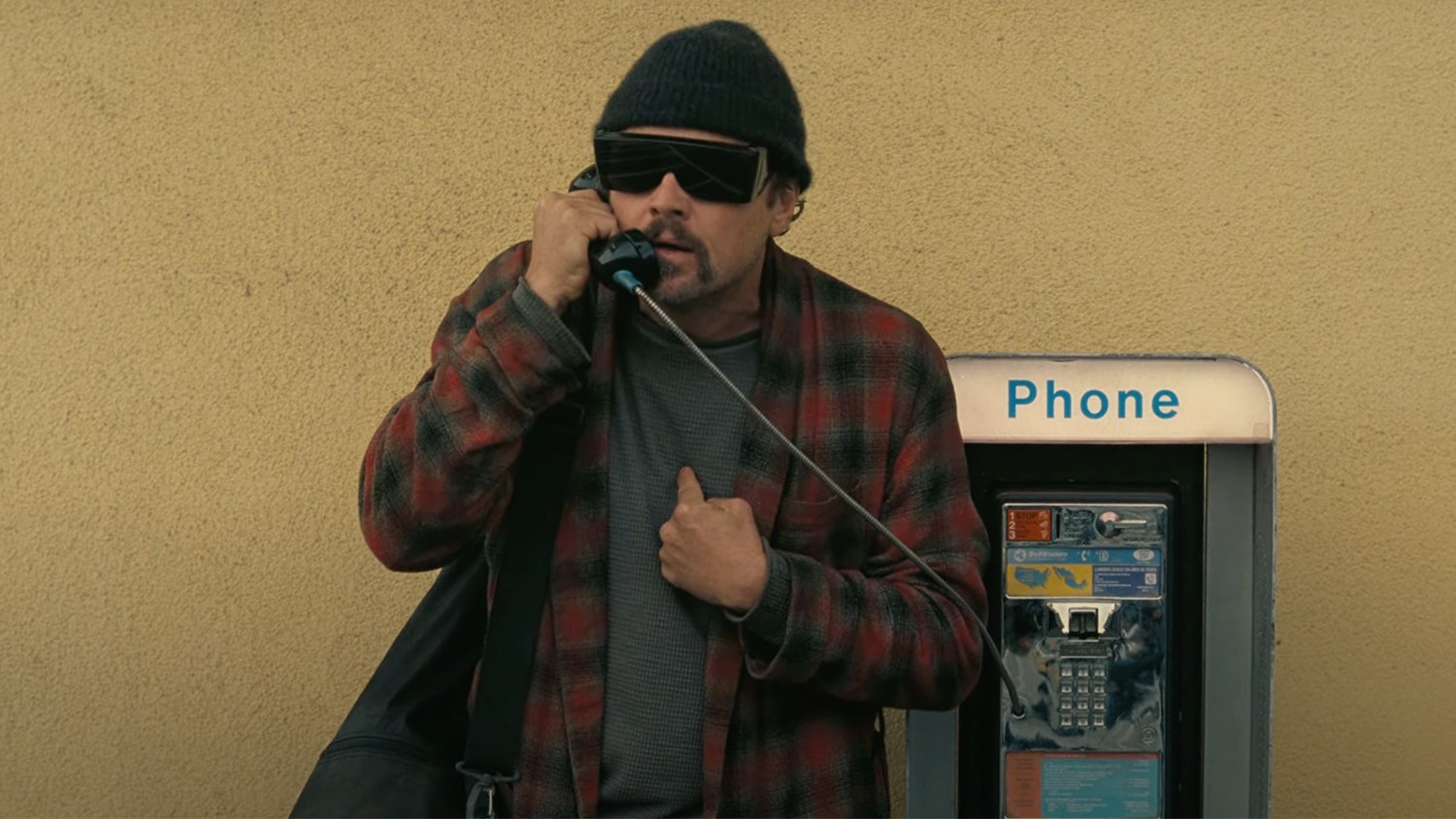
When their evil nemesis resurfaces after 16 years, a band of ex-revolutionaries reunite to rescue the daughter of one of their own.
One Battle After Another is Paul Thomas Anderson’s best film since There Will Be Blood. If that isn’t enough to get you out of your seat, I’m not sure what will. One of the most talked-about movies of the year, it manages to be equally entertaining and thematically rich.
I’ve seen some criticism labeling the film as borderline agitprop, which feels disingenuous. This is not The Battle of Algiers (1966) or October: Ten Days That Shook the World (1928). One Battle After Another is far more nuanced, exploring what resistance can look and feel like—extremism versus community, sending a message versus mobilizing real change. Looming over all of it is the political passiveness of a generation, a passiveness that has shaped the “battle” of today.
Leonardo DiCaprio’s Bob Ferguson embodies that inertia: a man passed up by a world that has long since moved on. His interactions with the current French 75 members highlight the communication breakdowns that plague contemporary society—action versus intention, tangible benefit versus the endless parsing of language and meaning. It is a group that knows how to talk about a resistance more than about sustaining it.
DiCaprio and Benicio del Toro are consistently hilarious, but the film doesn’t reach its full heights without Sean Penn’s Colonel Steven Lockjaw and Teyana Taylor’s Perfida Beverly Hills. Lockjaw’s physicality and mannerisms are so singular that I could’ve watched an entire film centered on him alone. Perfida may not get the same runtime, but her screen presence is undeniable. Their relationship is enigmatic and unsettling, one I’m still trying to parse beyond a simple power-versus-pleasure dynamic.
My one viewing of One Battle After Another is not enough. There are several other avenues that I could go down and write about. Maybe with more viewings, it could make this the number one film of the year.
2. Eddington
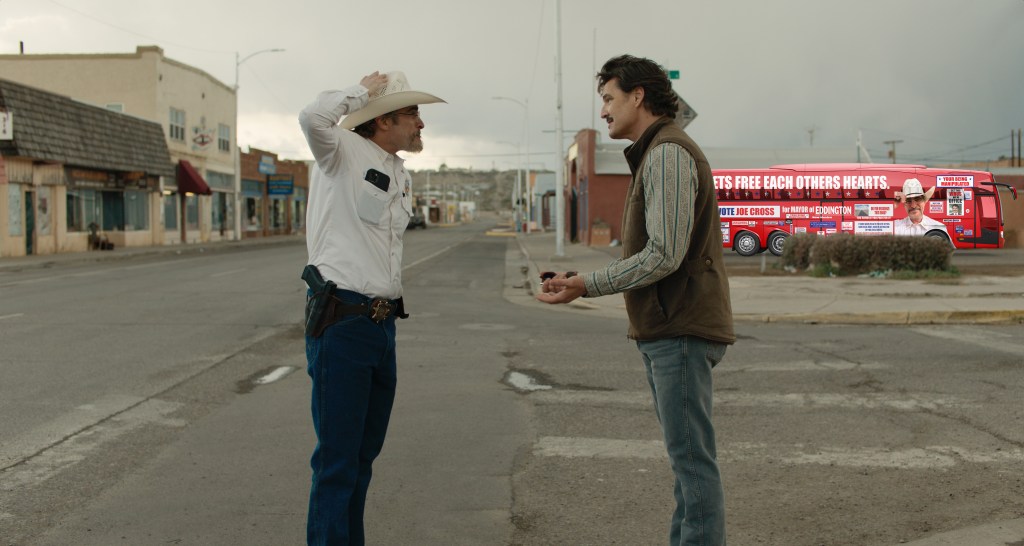
In May of 2020, a standoff between a small-town sheriff and mayor sparks a powder keg as neighbor is pitted against neighbor in Eddington, New Mexico.
I’m convinced that in twenty or thirty years, there won’t be another film that better captures the absurdity, madness, and despair of 2020 than Eddington, directed by Ari Aster.
I’ll admit I avoided the film for a few months, unsure if I wanted to relive that hellish year and all the baggage that came with it. What I ended up experiencing instead was something cathartic—an unflinching work that takes square aim at the worst impulses of our culture and society.
Eddington is an attack on performative politics in the United States. A friend of mine, Max Tackett, noted in his Letterboxd review that only two characters in the film behave without performance or self-serving artifice. I won’t spoil who they are, but nearly everyone else operates dishonestly, undermining the very activism and causes they claim to support. That, to me, is where the real damage to meaningful movements occurs.
The film also takes a sharp and unexpected turn. When I paused it and realized there was still over an hour left, I wasn’t sure where else it could go—and boy does it take off. The remaining runtime is used well, escalating the stakes and delivering an ending that had me debating its meaning with friends for weeks afterward. It didn’t surprise me at all to see varying different interpretations emerge; this feels like a film that warrants an entire post of its own.
Eddington feels destined to be timeless. It made me laugh, made me very uncomfortable at times, and served as a much-needed release after the past several years.
1. Sentimental Value
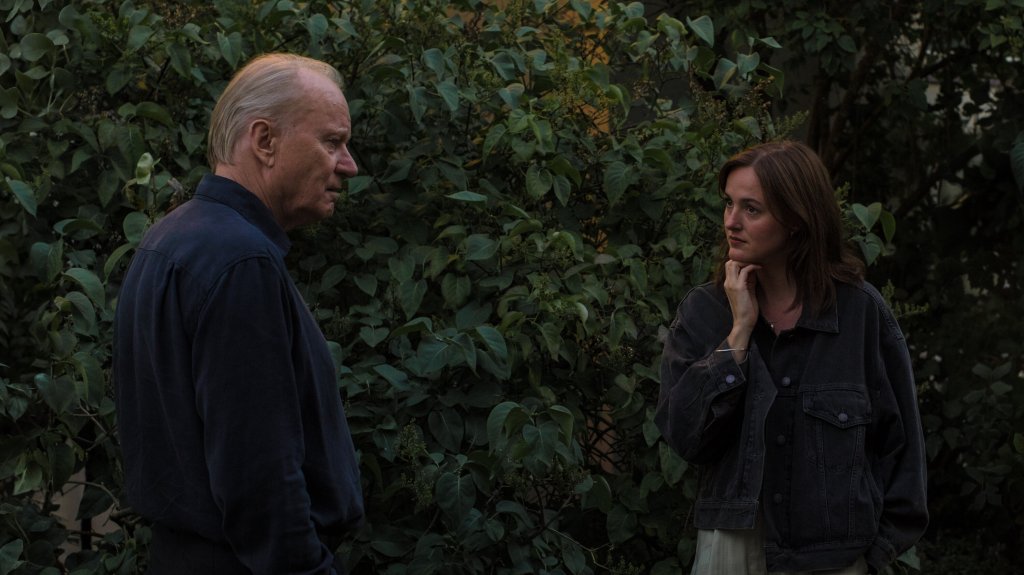
Sisters Nora and Agnes reunite with their estranged father, the charismatic Gustav, a once-renowned director who offers stage actress Nora a role in what he hopes will be his comeback film. When Nora turns it down, she soon discovers he has given her part to an eager young Hollywood star.
Joachim Trier has done it again. The Worst Person in the World was my favorite movie of 2021, and Sentimental Value has earned my top spot for 2025. While many of the films above resonated for different reasons—political commentary, historical perspective, or moments designed to shock—sometimes it comes down to something simpler. Few things matter more than emotional impact.
Nothing quite impacted me like Sentimental Value this year. If Oslo, August 31st (2011) is a film about the relationship with oneself and The Worst Person in the World (2021) is about a relationship with another person, then Sentimental Value is about a relationship with your family. Or in this case, the damage it has left behind.
Gustav Borg (Stellan Skarsgård) is equal parts gifted filmmaker and absent father, choosing the glitz of cinema over the responsibility of raising his daughters. With his career in decline and his ex-wife dead, he returns to reclaim the family home. He also plans to make a film about his own mother, using the house as the set. And, in a selfish and out of touch act, he wants his daughter Nora (Renate Reinsve) to play her.
The house itself feels like a character. It carries a fairy-tale quality, its height looming over everything around it. The framing often renders the family small beneath its presence, as if the house has outlasted them all. Over time, its scars come into focus—a visible crack running from the foundation upward, mirroring the fractures within the family. It stands as a monument to unresolved history.
Beyond the setting, every character feels layered and precise. The performances rival the best of the year. Where One Battle After Another overwhelms through force, Sentimental Value builds pressure through restraint. This is one of the most convincing portrayals of a family I have seen on screen.
The relationship between sisters Nora and Agnes (Inga Ibsdotter Lilleaas) anchors the film. Nora is stubborn and volatile, sharing more with her father than she wants to acknowledge. Agnes, married with a child, extends him a level of grace Nora cannot. Together, they reflect two responses to the same wound, and their bond provides the film with its quiet strength.
What elevates Sentimental Value is its refusal to offer easy reconciliation. Love exists here, but so does resentment, guilt, and distance. Trier understands that family trauma does not vanish with a single conversation or gesture. Some things linger. Some things are inherited.
By the time the film ends, what remains is not catharsis, but recognition. That recognition—of broken homes, inherited pain, and the desire to be seen—is what stayed with me long after the credits rolled. No other film this year felt as honest, or as deeply human.


 hunter albert
Leave a comment